

Building a Healthy Dental Care Routine for Every Age
Authored by La Jolla Vitality Co.
A healthy smile is about much more than appearance. Good oral hygiene helps prevent cavities, gum disease, bad breath, tooth loss, and may even support overall health. Research has linked poor oral health with conditions such as diabetes, heart disease, and certain respiratory infections, making dental care an important part of a healthy lifestyle.
The good news? Healthy habits established early in life can protect your teeth and gums for decades. Here's how to build an effective dental care routine at every age.
The Foundation of Good Oral Health
No matter your age, a strong dental care routine includes five essential habits:
Brush twice daily with a fluoride toothpaste.
Floss or clean between your teeth once a day.
Eat a balanced diet that limits added sugars.
Visit your dentist regularly for exams and cleanings.
Avoid tobacco products.
These simple practices form the foundation of lifelong oral health.
Infants (Birth to 12 Months)
Dental care begins before the first tooth appears.
Parents should:
Gently wipe an infant's gums with a clean, damp washcloth after feedings.
Begin brushing with a soft infant toothbrush as soon as the first tooth erupts.
Use a smear (about the size of a grain of rice) of fluoride toothpaste.
Avoid putting babies to bed with bottles containing milk, formula, juice, or sweetened beverages.
Schedule the first dental visit by the child's first birthday or within six months of the first tooth erupting.
Early dental visits help identify potential concerns and establish healthy habits.
Toddlers and Preschoolers (Ages 1–5)
Young children need help brushing until they develop the coordination to do it effectively.
Parents should:
Brush twice daily.
Use a pea-sized amount of fluoride toothpaste beginning around age 3.
Begin flossing when teeth touch.
Limit sugary snacks and drinks.
Encourage drinking water throughout the day.
Avoid frequent sipping of juice or sugary beverages, as prolonged sugar exposure increases cavity risk.
School-Aged Children (Ages 6–12)
As permanent teeth begin to emerge, dental hygiene becomes even more important.
Encourage children to:
Brush for two minutes twice daily.
Floss every day.
Wear a properly fitted mouthguard during contact sports.
Choose water instead of sugary beverages.
Limit sticky candies and frequent snacking.
Discuss dental sealants with your dentist, as they can significantly reduce cavities in the chewing surfaces of molars.
Teenagers
Teen years bring new oral health challenges.
Important habits include:
Continuing twice-daily brushing and daily flossing.
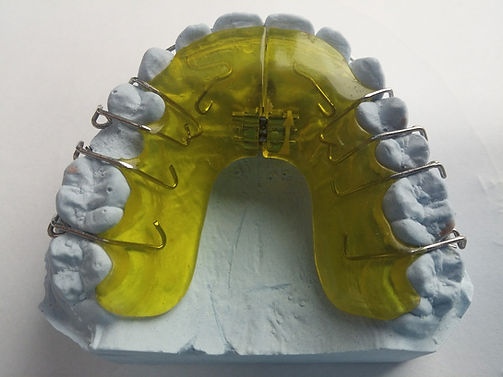
Wearing retainers or orthodontic appliances as directed.
Cleaning around braces carefully.
Limiting sports drinks, soda, and energy drinks.
Avoiding tobacco and vaping products.
Orthodontic treatment can make cleaning more difficult, making excellent brushing and flossing especially important.
Adults
A consistent routine helps preserve healthy teeth throughout adulthood.
Aim to:
Brush twice daily for two minutes.
Floss once daily.
Replace your toothbrush (or electric toothbrush head) every 3–4 months or sooner if the bristles become frayed.
Schedule regular dental exams and professional cleanings.
Drink plenty of water, particularly if you experience dry mouth.
Dry mouth increases cavity risk because saliva helps neutralize acids and wash away bacteria.
Older Adults
As we age, maintaining oral health remains essential.
Older adults may experience:
Dry mouth from medications
Gum recession
Increased root cavities
Tooth wear
Difficulty cleaning around dental work
Helpful strategies include:
Staying hydrated.
Discussing dry mouth treatments with your healthcare provider if needed.
Using fluoride toothpaste consistently.
Cleaning dentures daily and removing them at night.
Continuing routine dental visits.
Healthy teeth support good nutrition, speech, and overall quality of life.
Should You Use an Electric Toothbrush?
Both manual and electric toothbrushes can effectively remove plaque when used correctly.
However, many studies suggest electric toothbrushes, particularly oscillating-rotating models, may remove more plaque and reduce gingivitis over time.
The best toothbrush is the one you'll use consistently with proper technique.
How to Brush Properly
For the best results:
Brush for two full minutes.
Hold the toothbrush at a 45-degree angle toward the gumline.
Use gentle, circular motions rather than aggressive scrubbing.
Brush the front, back, and chewing surfaces of every tooth.
Gently brush your tongue to help reduce bacteria and freshen breath.
Brushing too hard can contribute to gum recession and enamel wear.
Don't Forget to Floss
Toothbrush bristles cannot effectively clean between teeth.
Daily flossing or using another interdental cleaner helps remove plaque and food particles from areas where cavities and gum disease commonly begin.
If traditional floss is difficult to use, consider:
Floss picks
Water flossers
Interdental brushes
Choose the option that you'll use consistently.
Diet Matters
Your diet plays a major role in oral health.
Choose foods that support healthy teeth, including:
Dairy products
Leafy greens
Crunchy vegetables
Apples
Nuts
Lean proteins
Limit:
Sugary beverages
Sticky candies
Frequent snacking
Highly acidic drinks like soda and sports drinks
When possible, drink water after meals to help rinse away food particles and acids.
Protect Your Teeth
Additional ways to protect your smile include:
Wearing a mouthguard during sports.
Wearing a nightguard if you grind your teeth.
Avoiding chewing on ice, pens, or hard candies.
Never using your teeth to open packages or bottles.
These habits can help prevent fractures and unnecessary dental work.
Signs You Should See a Dentist
Don't ignore symptoms such as:
Bleeding gums
Persistent bad breath
Tooth sensitivity
Tooth pain
Loose teeth
Swollen gums
Mouth sores that don't heal within two weeks
Early treatment is often simpler, less invasive, and less expensive.
The Bottom Line
Good oral health begins with small, consistent habits practiced every day. Brushing twice daily with fluoride toothpaste, cleaning between your teeth once a day, eating a nutritious diet, and visiting your dentist regularly can help protect your smile throughout life.
Whether you're caring for a baby's first tooth, teaching a teenager healthy habits, or maintaining your own oral health in later years, investing in your smile is an investment in your overall well-being.
Medical Disclaimer
The information provided in this article is for educational purposes only and is not intended as medical or dental advice. It should not replace consultation with your dentist, physician, dental hygienist, or another qualified healthcare professional. If you experience persistent tooth pain, bleeding gums, swelling, trauma, or other dental concerns, seek professional evaluation promptly. Regular dental examinations and cleanings remain an essential part of preventive healthcare.


Comments